Why Order Actually Matters
Product application order affects absorption, efficacy, and compatibility. The skin cannot absorb unlimited product layers simultaneously — early layers occupy absorption pathways and can block or dilute subsequent applications.
The primary rule is molecular weight: lighter, water-based, smaller molecules should be applied before heavier, oil-based, larger molecules. Thick creams and oils create an occlusive layer that physically impedes the penetration of anything applied on top. Apply your thinnest, most watery products first.
The secondary rule is pH: certain actives require a specific pH environment to function. Applying a buffered moisturiser before a low-pH AHA can raise the pH at the skin surface and reduce the acid's effectiveness. Apply low-pH actives (vitamin C, AHAs, BHAs) directly to clean skin, before any products that would buffer them.
The third rule is compatibility: some ingredient combinations are problematic in the same step (not necessarily the same routine). Knowing which combinations to avoid saves you from neutralising expensive products.
The Standard Application Order
The framework that works for most routines:
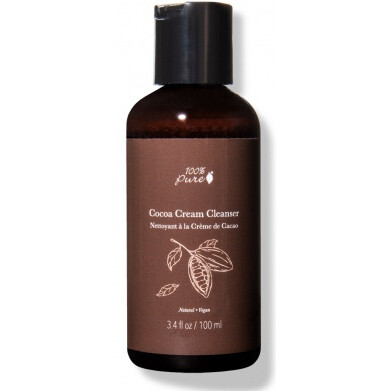
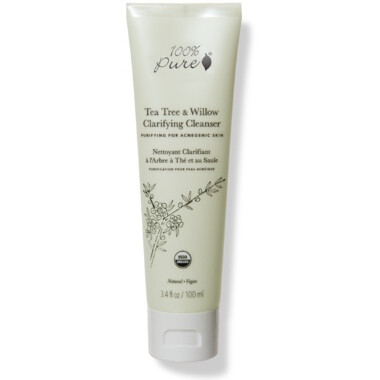
1. Cleanser — removes the starting surface (makeup, sebum, sunscreen, environmental pollutants)
2. Toner/essence — if used; apply while skin is slightly damp for maximum humectant penetration
3. Actives (water-based) — vitamin C serum, AHA/BHA toner, niacinamide serum. Apply before moisturiser. In this step, apply in order of lowest to higher pH if using multiple: vitamin C (pH 2.5–3.5) before niacinamide (pH ~5–6) ideally.
4. Eye cream — if used; apply before or after serums depending on consistency
5. Moisturiser — seals in previous layers, provides barrier support
6. Facial oil or squalane — optional; the final layer before SPF or bed, not before watery products
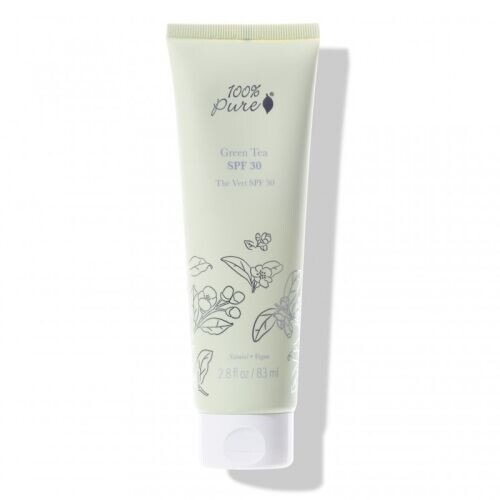
7. SPF (AM only) — always last in the morning; nothing goes on top
PM variations: Retinol or tretinoin replaces step 3 in the evening. On exfoliant nights, the AHA/BHA is the step 3 active. On recovery nights, skip actives entirely and go straight to moisturiser.
Common Mistakes and Compatibility Issues
Vitamin C + niacinamide: An old compatibility concern that has been largely debunked. Early literature suggested they could form niacin when combined, causing flushing. Modern formulations are buffered and stabilised; the reaction, if it occurs, requires conditions not present in typical cosmetic formulations. In practice, applying them together or minutes apart is fine for most people.
Retinol + AHA/BHA same night: Avoid in the same routine step. Both increase cell turnover — combining them compounds irritation without proportionally increasing efficacy. Alternate nights: exfoliant nights vs. retinol nights.
Niacinamide + vitamin C layering order: Apply vitamin C (lower pH) first to clean skin, wait 5–10 minutes, then apply niacinamide. This maintains the low-pH environment vitamin C needs for optimal absorption before a higher-pH layer is applied.
Oil before serum: A common mistake. Oils form a physical barrier. Applying an oil before a water-based serum significantly reduces the serum's penetration. Oils always go after water-based products.
Sunscreen under moisturiser: Moisturiser should be applied and absorbed before SPF. Applying SPF and then moisturiser on top dilutes the SPF film and reduces sun protection.
Applying to very wet skin: For most actives, apply to skin that is slightly damp (not dripping). Very wet skin dilutes concentrations; completely dry skin reduces some humectant efficacy. "Slightly damp" is the consistent recommendation.
Simplified Routines: The Minimum Effective Routine
Not everyone needs a 7-step routine. The minimum effective routine that covers the essentials:
Morning (3 steps):
1. Gentle cleanser or water rinse
2. Moisturiser with niacinamide
3. SPF 50+
Evening (3 steps):
1. Gentle cleanser
2. Retinol 0.1–0.5% (3–4x/week) OR ceramide moisturiser (on non-retinol nights)
3. Ceramide moisturiser
This 3-step structure addresses: barrier maintenance, photoageing prevention (SPF), and long-term collagen/texture improvement (retinol). Everything beyond this is optimisation.
When to expand: Add vitamin C once comfortable with the basic routine (AM, under SPF). Add AHA/BHA if dealing with congestion, texture, or hyperpigmentation (PM, 2–3x/week). Add targeted actives (azelaic acid, tranexamic acid) for specific concerns once the foundation is established.
The principle: Build one product at a time, leave 2–4 weeks between additions, and you'll always know what's working or causing reactions. Launching 5 new products simultaneously makes it impossible to identify cause and effect.