Why Pregnancy Changes Your Skincare Rules
Pregnancy fundamentally changes the risk calculus for topical skincare products. Under normal circumstances, most cosmetic ingredients have minimal systemic absorption — they stay in or near the skin surface without significant entry into the bloodstream. During pregnancy, several factors complicate this picture.
First, skin permeability changes. Hormonal shifts, particularly elevated progesterone and estrogen, alter the lipid composition of the stratum corneum, which can increase absorption of certain compounds. Second, placental transfer is a real concern for any ingredient that does reach systemic circulation — and while the placental barrier is protective against many large molecules, lipophilic (fat-soluble) small molecules can cross it. Third, some ingredients are teratogenic by well-established mechanisms — meaning there is direct biological plausibility for harm, not just theoretical concern.
It's also important to calibrate against excessive restriction. The internet is full of pregnancy skincare fear content that presents every chemical-sounding ingredient as a threat. This isn't accurate or helpful. The precautionary principle is reasonable — avoid ingredients with established or plausible risk — but most of your existing skincare routine is almost certainly safe to continue. Ceramides, hyaluronic acid, niacinamide, azelaic acid, physical sunscreens, glycolic acid at moderate concentrations, vitamin C, and nearly all standard moisturisers and cleansers have no meaningful risk in pregnancy.
The goal of this guide is precision: to identify the specific ingredients where genuine evidence or biological plausibility supports avoidance, and to give you safe alternatives for each so your skin health doesn't have to suffer for nine months.
Retinoids: The Most Important Category to Avoid
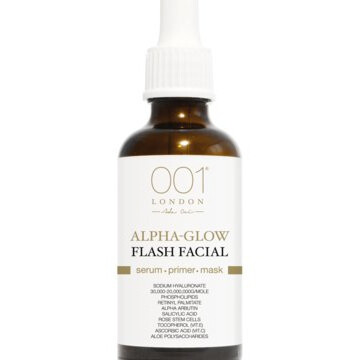
Retinoids are the clearest and most important category to eliminate from your pregnancy routine. This includes retinol, retinaldehyde, retinyl palmitate, tretinoin, adapalene, tazarotene, and isotretinoin (the latter two are prescription; oral isotretinoin is absolutely contraindicated and pregnancy requires confirmed negative tests before prescription in most countries).
The teratogenicity of retinoids is well-established and mechanistically understood. Retinoic acid is essential for embryonic development, but excess exogenous retinoic acid during critical developmental windows — particularly the first trimester — is associated with a specific pattern of congenital abnormalities affecting the cranium, heart, and central nervous system. The condition is well-documented for oral isotretinoin; topical retinoids present a lower but not negligible risk due to some systemic absorption.
The key clinical guidance: all forms of topical retinoids should be avoided throughout pregnancy, but particularly in the first trimester. If you were using a prescription retinoid and discover you are pregnant, stop immediately and inform your prescribing clinician. For the post-partum period: if breastfeeding, continue to avoid retinoids; if not breastfeeding, they can typically be resumed.
The good news: bakuchiol, a plant-derived functional analog of retinol, has evidence supporting comparable effects on skin texture, fine lines, and hyperpigmentation with a safety profile that makes it appropriate during pregnancy and breastfeeding. It doesn't work via the same receptor mechanism as retinoids, so the teratogenic risk doesn't apply. Multiple small trials and one direct comparison trial versus retinol show meaningful efficacy.
Chemical Sunscreens, Hydroquinone, and Salicylic Acid
Chemical UV filters are a nuanced category during pregnancy. The most commonly used organic filters — oxybenzone (benzophenone-3), avobenzone, octinoxate, homosalate — are lipophilic and have been detected in breast milk and urine after topical application, confirming systemic absorption. Oxybenzone in particular has endocrine activity in vitro, though the clinical significance at typical use levels is debated. The FDA has signalled that these filters require more safety data.
The practical guidance from most OB-GYN and dermatology sources: switch to physical/mineral sunscreens during pregnancy. Zinc oxide and titanium dioxide are not absorbed systemically in nanoparticle form — they remain at the skin surface. They provide broad-spectrum protection and are considered safe in pregnancy by all major regulatory bodies. If you find pure mineral sunscreens too heavy or chalky, many hybrid formulas contain a higher mineral ratio with a small amount of chemical filter — the risk reduction is still meaningful.
Hydroquinone is recommended to be avoided during pregnancy. While systemic absorption from topical use is not large, hydroquinone is classified as Pregnancy Category C (risk cannot be ruled out) and there is some absorption demonstrated by studies measuring urinary excretion. Given the availability of safer alternatives for pregnancy hyperpigmentation — azelaic acid at 15–20% is both safe and effective, and is actually a first-line prescription option for pregnant patients with melasma — there is no good reason to use hydroquinone during pregnancy.
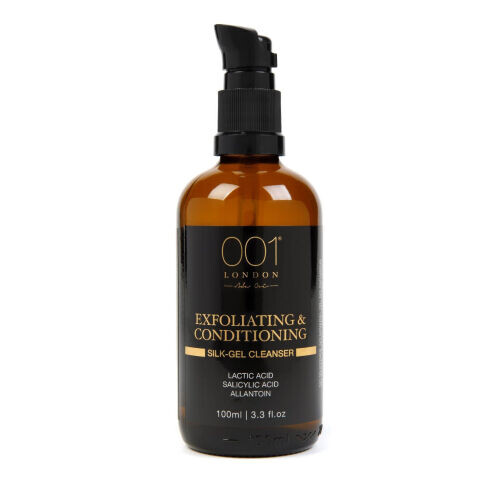
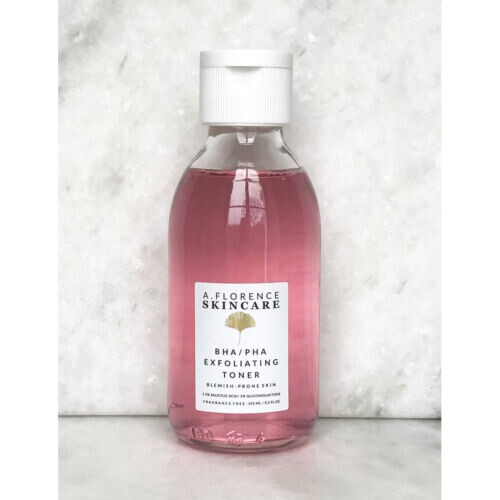
High-dose salicylic acid: topical salicylic acid at standard cosmetic concentrations (0.5–2% in leave-on products) is generally considered low risk. The concern applies primarily to very high concentrations in leave-on formulations and to oral aspirin (acetylsalicylic acid). Using a BHA toner or serum at 2% a few times weekly is not the same risk profile as high-dose aspirin therapy. Most dermatologists consider low-dose topical salicylic acid acceptable during pregnancy; high-concentration chemical peels using salicylic acid should be avoided.
Ingredients That Are Safe During Pregnancy
To counter the extensive avoidance lists that dominate pregnancy skincare content, it's worth cataloguing what is well-established as safe. The list is long and covers essentially all the major functional categories you need.
Vitamin C (L-ascorbic acid and derivatives): antioxidant, brightening, collagen-stimulating — all safe. Vitamin C is a water-soluble vitamin with excellent safety data. No concerns in pregnancy.
Niacinamide (vitamin B3): regulates sebum, reduces inflammation, addresses hyperpigmentation, supports barrier function. No pregnancy concerns. One of the most useful actives to continue or introduce during pregnancy when many other options are off the table.
Azelaic acid: specifically listed as safe and effective during pregnancy in multiple clinical guidelines. A 2020 systematic review on topical treatments for melasma in pregnancy named azelaic acid as the first-line agent of choice. It's anti-inflammatory, brightening, and gentle.
Alpha hydroxy acids at moderate concentrations: glycolic acid at 5–10%, lactic acid, mandelic acid — all safe for pregnancy. High-concentration peels performed in-clinic should be deferred, but leave-on formulas are fine.
Hyaluronic acid: a naturally occurring polysaccharide with no systemic absorption concern. Excellent humectant for skin that may be drier than usual due to hormonal changes.
Ceramides and moisturisers: all standard emollient and occlusive ingredients — ceramides, glycerol, squalane, shea butter, jojoba, sunflower oil — are safe. SPF mineral sunscreens: already covered above. Physical zinc oxide and titanium dioxide are the gold standard for pregnancy.
Peptides: generally considered safe given their large molecular weight and poor skin penetration, though human pregnancy data is limited. The risk profile is low.
Managing Common Skin Changes During Pregnancy
Pregnancy creates predictable skin challenges that require adaptation. Understanding what to expect helps you build a routine that works with, rather than against, the hormonal changes happening in your body.
Melasma (the "mask of pregnancy") develops in an estimated 50–70% of pregnant women. It appears as symmetrical patches of darkening on the forehead, cheeks, upper lip, and chin. UV exposure dramatically worsens it, so diligent SPF application — mineral, as discussed — is the single most important intervention. Topically, azelaic acid is both safe and effective. Vitamin C and niacinamide provide additive brightening support. The good news: melasma often resolves or significantly improves after delivery, especially with consistent sun protection throughout.
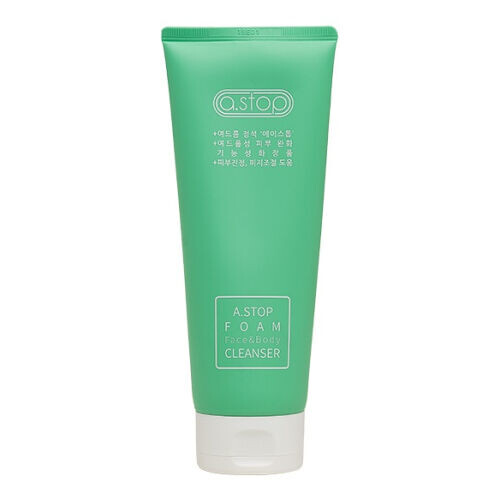
Pregnancy acne affects some women — particularly in the first trimester when progesterone surges — and often requires a complete routine overhaul. With retinoids, high-dose salicylic acid, and benzoyl peroxide (use low concentrations; some clinicians prefer to avoid it entirely in the first trimester) off the table, the practical toolkit is: a gentle, low-pH cleanser; azelaic acid as the primary active; niacinamide; and non-comedogenic moisturiser and sunscreen. Glycolic acid can be used for exfoliation. For severe pregnancy acne, a dermatologist can prescribe topical antibiotics (clindamycin is considered safe) alongside appropriate actives.
Stretch marks: the clinical evidence for topical stretch mark prevention is disappointingly thin. No topical ingredient has been shown to reliably prevent stretch marks in controlled trials. Keeping skin hydrated and elastic with regular moisturisation is sensible, and ingredients like centella asiatica, vitamin E, and rosehip oil are safe and popular — but realistic expectations are warranted.
Sensitivity increases during pregnancy for many women. Fragrance tolerance in particular often decreases. This is a good time to transition to fragrance-free formulations if you haven't already — skin is under enough stress without adding potential sensitizers.