Winter Skincare Challenges
Winter brings cold air, low humidity, wind, and indoor heating — all of which strip moisture from the skin. The skin barrier becomes compromised, leading to dryness, flaking, redness, and sensitivity. The strategy shifts from oil control to barrier protection and deep hydration.
Barrier Repair Is Key
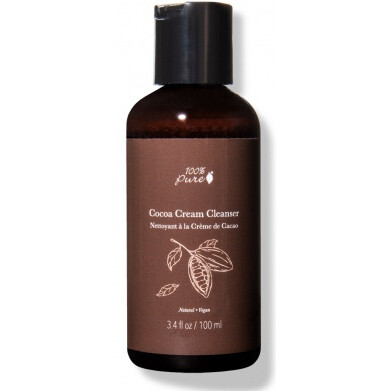
• Switch to a cream or balm cleanser — foaming cleansers strip too much.
• Use lukewarm water (hot water damages the barrier).
• Moisturiser should contain ceramides, cholesterol, fatty acids.
• Add an occlusive layer at night (petroleum jelly, Cicaplast, or facial oil).
• Consider a humidifier in your bedroom (30–50% humidity ideal).
Hydrating Ingredients for Winter
• Ceramides — rebuild the barrier.
• Squalane — lightweight oil that mimics skin's natural sebum.
• Hyaluronic acid — apply to damp skin for maximum benefit.
• Shea butter — rich emollient for dry areas.
• Panthenol — soothes and hydrates.
• Urea — gentle exfoliation + deep hydration for very dry skin.
Adjusting Actives
• Retinol can be more irritating in winter — reduce frequency or use the sandwich method (moisturiser → retinol → moisturiser).
• AHAs increase photosensitivity — no change needed in winter but still use SPF.
• Vitamin C is still important in winter (oxidative stress from indoor heating + blue light from screens).
• If your skin becomes too dry or irritated, pause all actives and focus on barrier repair for 2–4 weeks.
Don't Skip SPF in Winter
• UV rays penetrate clouds and reflect off snow (snow reflects up to 80% of UV!).
• SPF 30+ is still necessary, especially if you ski, snowboard, or spend time outdoors.
• UVA rays are consistent year-round and penetrate windows.
• Many winter moisturisers contain SPF — but standalone SPF is more reliable.
Winter Routine Example
AM: Gentle cream cleanser (or just water) → Vitamin C → Ceramide moisturiser → SPF 30–50
PM: Oil cleanser → Cream cleanser → Retinol (3x/week, sandwich method) → Rich moisturiser → Facial oil or Cicaplast
Weekly: Hydrating sheet mask or overnight sleeping mask (1–2x/week)
Indoor Heating, Humidity, and Skin: The Invisible Winter Enemy
Most people focus on cold outdoor air as the cause of winter skin issues — but the real culprit is often indoor heating.
The physics of indoor heating: Central heating systems warm the air but do not add humidity. Relative humidity (RH) in heated winter rooms often drops to 20–30% RH. At RH below 40%, the skin's humectant ingredients actively lose water to the air instead of gaining it. Transepidermal water loss (TEWL) increases significantly.
The solution: A humidifier in your bedroom (where you spend 8+ hours) can raise RH from 20% to 40–50% — dramatically reducing overnight TEWL and improving skin hydration by morning. This is arguably more impactful than most topical winter skincare changes.
Target RH: 40–50% is the sweet spot for skin and respiratory health. Below 30%, skin dehydration worsens significantly. Above 60%, dust mites and mold proliferate.
Recommended humidifier type: Ultrasonic or evaporative humidifiers for bedrooms. Cool mist is generally preferred as warm mist humidifiers can harbour bacteria if not cleaned regularly. A hygrometer (humidity meter) allows you to monitor and adjust — these are inexpensive (~£10–15).
Adjusting your routine for indoor heating: Apply your evening moisturiser over slightly damp skin to maximise humectant effect, and consider applying hyaluronic acid immediately after a shower while skin is still hydrated.
Switching Products Seasonally: What to Swap
Your summer and winter routines should be meaningfully different. A specific guide to seasonal transitions:
Cleanser: Summer → gel or light foam. Winter → cream or milk cleanser. The cleanser change is the most impactful single swap for preventing winter dryness.
Moisturiser: Summer → gel, water-cream, or light fluid. Winter → cream or balm. If you use ceramide products in summer, increase the richness of the formula in winter or add a ceramide serum layer.
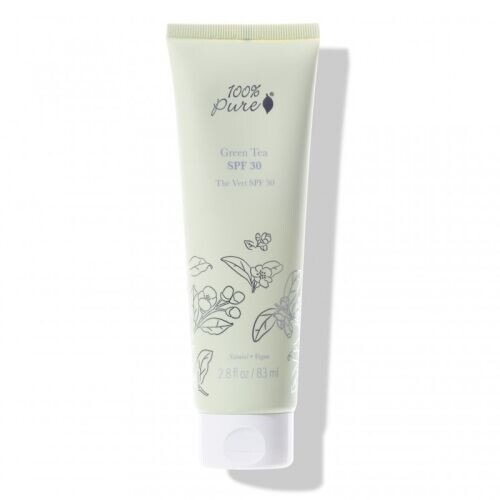
SPF: Many lightweight summer SPFs contain alcohol or mattifying ingredients that are drying in winter. Switch to a moisturising SPF formula or a hybrid moisturiser-SPF for winter.
Actives: Reduce exfoliation frequency by 50% in winter (from 3x to 1–2x/week). For retinol users experiencing more winter irritation, drop concentration or frequency and increase the moisturiser sandwich.
Occlusive layering: A technique not needed in summer becomes valuable in winter. Petroleum jelly or Cicaplast Baume applied over your full face at night (over moisturiser) dramatically reduces overnight TEWL. This 'slugging' method is not for everyone — oily or acne-prone skin types should use a dimethicone-based occlusive instead.