What the Skin Barrier Actually Is
The "skin barrier" has become a marketing term, appearing on everything from budget cleansers to luxury serums. Before it became a trend, it was a precise anatomical and functional concept in dermatology. Understanding what it actually refers to — beyond the marketing — changes how you evaluate products and build routines.
The skin barrier is primarily the stratum corneum: the outermost 15–20 cell layers of the epidermis, composed of flattened, protein-filled corneocytes (dead keratinocytes) embedded in a lipid matrix. The structure is often described using the "brick and mortar" model: corneocytes are the bricks, and the intercellular lipid matrix — composed of ceramides, cholesterol, and free fatty acids — is the mortar.
The lipid matrix is the critical component from a barrier function perspective. This organized lamellar structure prevents transepidermal water loss (TEWL), keeps the skin hydrated and intact, blocks penetration of environmental pathogens and irritants, and regulates pH. The stratum corneum has a naturally acidic pH (approximately 4.5–5.5), which is essential for the enzymatic activity of lipid-synthesizing enzymes and for inhibiting the growth of pathogenic bacteria.
Below the stratum corneum, tight junctions between living keratinocytes in the stratum granulosum provide a secondary barrier, controlling paracellular transport of water and molecules. These tight junctions, involving proteins like claudin and occludin, are a significant area of current dermatological research — particularly in the context of atopic dermatitis, where filaggrin mutations disrupt both the corneocyte structure and tight junction function.
The skin's microbiome adds a third layer of protection: a community of commensal bacteria, particularly Staphylococcus epidermidis, that compete with pathogens, produce antimicrobial peptides, and interact with the immune system. This microbiome is disrupted by harsh cleansers, antibiotics, and excessive exfoliation — another reason the "kill everything" approach to cleansing is counterproductive.
How the Skin Barrier Gets Damaged
Barrier damage is cumulative and multifactorial. Understanding the specific mechanisms helps you identify which aspects of your routine or environment might be contributing.
Over-cleansing and harsh surfactants: Sodium lauryl sulfate and similar anionic surfactants don't just remove dirt — they intercalate into the lipid matrix of the stratum corneum, disrupting the lamellar structure and extracting ceramides and fatty acids. A single wash with SLS causes measurable increases in TEWL that take 12–24 hours to recover; daily use with incomplete recovery creates cumulative damage.
Over-exfoliation: AHAs and BHAs at appropriate frequency and concentration are beneficial and don't damage the barrier — they remove only the outermost dead cell layer while leaving the intact barrier below. But excessive use (daily high-concentration AHAs, daily BHA plus AHA combination, physical scrubs) removes the protective corneocytes too aggressively and exposes the more vulnerable deeper layers.
Inappropriate pH: the skin's natural pH is approximately 4.5–5.5. Products with a very high pH (alkaline soaps, bar soaps, some traditional cleansers) disrupt the acid mantle, which in turn disrupts the activity of the lipid-synthesizing enzymes (beta-glucocerebrosidase and secretory phospholipase A2) responsible for maintaining the ceramide-rich lipid matrix. Even brief exposure to alkaline pH causes disruption that persists for several hours.
Environmental damage: UV radiation degrades lipids in the stratum corneum via photo-oxidation, damages corneocyte proteins, and reduces natural moisturising factor (NMF) components. Cold, dry winter air reduces humidity below the threshold where the lipid matrix maintains optimal fluidity. Central heating compounds this by reducing indoor relative humidity to desert-like levels.
Genetic factors: atopic dermatitis is strongly associated with loss-of-function mutations in the FLG gene (filaggrin), which is essential for corneocyte development and NMF production. People with these mutations have structurally compromised barriers regardless of their skincare routine — which is why managing eczema requires medical treatment alongside optimized skincare.
Inflammation: inflammatory cytokines produced during any kind of skin inflammation — acne, eczema, contact dermatitis, rosacea — directly disrupt tight junction protein expression and increase barrier permeability, creating a vicious cycle where inflammation worsens barrier function and impaired barrier function worsens inflammation.
Signs Your Barrier Is Compromised
Compromised barrier function manifests in recognizable ways. Identifying these signs helps you distinguish a barrier repair problem from other skin concerns that require different solutions.
Increased sensitivity and reactivity: products that previously caused no issues — a retinol serum, a vitamin C, a mild toner — suddenly sting, burn, or cause redness. This happens because the barrier no longer filters adequately, so actives that rely on low skin penetration for tolerability now penetrate too readily.
Tightness and dryness despite moisturising: you apply moisturiser and it feels absorbed immediately, leaving skin feeling tight again within minutes. This indicates TEWL is so high that the humectant content of your moisturiser is being lost almost as quickly as it's applied. The solution is adding an occlusive layer, not more humectant.
Persistent redness or uneven skin tone without a clear cause. Mild, diffuse redness that wasn't present before can indicate low-grade barrier inflammation.
Breakouts in unusual patterns: compromised barrier allows Cutibacterium acnes and Staphylococcus aureus to colonize more readily. New breakout patterns — particularly papules and pustules in areas not previously acne-prone — can indicate barrier disruption rather than hormonal or comedogenic causes.
Flaking and rough texture: loss of corneocyte cohesion when the lipid matrix is severely depleted causes visible flaking. Different from normal skin cell turnover — this flaking occurs on skin that otherwise doesn't appear dry because internal TEWL isn't always visible on the surface.
The diagnostic test: TEWL can be measured clinically with a tewameter, but there's a practical proxy. If your skin feels fine immediately after moisturising but tight or dry 30–60 minutes later, TEWL is elevated. If your skin looks slightly red immediately after gentle cleansing with a mild cleanser, barrier inflammation is present.
How to Actually Repair a Damaged Barrier
The principles of barrier repair are well-established in dermatology: stop doing the things that are damaging the barrier, and provide the raw materials for the barrier to repair itself. The skin barrier has significant self-repair capacity — given the right conditions, it will largely restore its own integrity over two to four weeks.
Step 1: Eliminate the damage source. Stop using the product or products that contributed to the damage. This typically means temporarily discontinuing actives — all exfoliants (AHAs, BHAs), retinoids, vitamin C, and anything causing stinging or redness. This feels counterintuitive if these actives are the core of your routine, but the barrier needs a temporary respite.
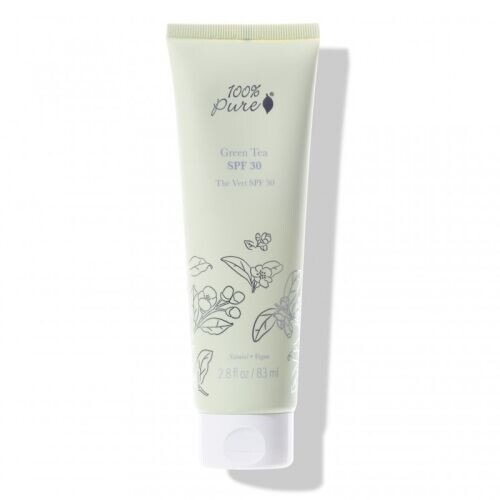
Step 2: Simplify to a repair routine. Morning and evening: gentle low-pH cleanser (or water rinse in the morning) → ceramide-rich moisturiser → mineral SPF in the AM. Nothing else. No serums, no treatments, no actives. This minimalism reduces the total irritant load while ceramides provide the raw materials for barrier restoration.
Step 3: Add targeted occlusives at night. Petrolatum, squalane, or a dedicated barrier cream as the final PM step significantly reduces overnight TEWL and gives the skin's repair machinery — which runs at its highest rate at night — the protected environment it needs.
Step 4: Address contributing environmental factors. Use a humidifier in winter if indoor air is dry (aim for 40–60% relative humidity). Avoid hot showers — hot water disrupts the lipid matrix more aggressively than warm water. Wear SPF consistently to prevent UV-mediated lipid degradation.
Step 5: Reintroduce actives slowly. After two to four weeks of the repair routine, when skin no longer reacts to the basic steps, reintroduce actives one at a time at low concentration and infrequent application. A retinoid once per week before gradually increasing, rather than jumping back to three times weekly.
Most people with acutely damaged barriers see clear improvement in two to four weeks with this approach. Chronically damaged barriers — those associated with longstanding atopic dermatitis or severe rosacea — may take longer and benefit from dermatological support.
Barrier-Supporting Ingredients That Work
Once you've stopped the damaging inputs, actively supporting the barrier's repair with the right ingredients accelerates recovery significantly.
Ceramides (NP, AP, EOP, NS, AS): the most direct way to supplement the skin's own lipid matrix. Products containing multiple ceramide subtypes in a physiological ratio with cholesterol and fatty acids — such as the CeraVe formulation developed with dermatologists — are the clinical standard for barrier repair. The ceramides in topical products do integrate into the stratum corneum lipid structure, though the degree and duration of integration is still being studied.
Fatty acids: particularly linoleic acid (C18:2), which is a component of ceramide 1 (acylceramide) — the ceramide that spans and binds adjacent lipid layers. Rosehip oil, sea buckthorn oil, and sunflower oil are high in linoleic acid and have demonstrated barrier-repair properties in eczema research.
Niacinamide at 4–5%: upregulates ceramide synthesis by keratinocytes and stimulates the production of filaggrin and other structural proteins. This makes it genuinely barrier-active, not just barrier-friendly.
Panthenol (pro-vitamin B5): accelerates epithelial healing and barrier repair. Often used in post-procedure formulations for this reason. Well-tolerated and highly compatible with compromised skin.
Allantoin and centella asiatica: anti-inflammatory ingredients that reduce the barrier-disrupting inflammatory cytokines while the barrier repairs.
Colloidal oatmeal: has specific compounds (avenanthramides) that inhibit NF-κB signalling — a key inflammatory pathway — while simultaneously providing physical barrier support via its film-forming properties. FDA-recognized as an OTC skin protectant.
What doesn't help — and often hurts — during active barrier repair: fragranced products, any form of exfoliation, alcohol-heavy formulas, retinoids, high-concentration vitamin C, clay masks, and hot water. The barrier repair period is a minimalism exercise, not the time for treatment.