What "Sensitive Skin" Actually Means
"Sensitive skin" is one of the most self-reported skin types globally — surveys suggest 50–70% of people consider themselves to have sensitive skin. Yet there is no universally agreed clinical definition of the term, and what drives sensitivity varies substantially from person to person.
In broad terms, sensitive skin can be categorized into four types with different underlying mechanisms:
Reactive skin — characterized by stinging, burning, and redness in response to environmental triggers or skincare products, often without visible inflammation. The mechanism involves hyperreactive sensory nerve endings (TRPV1 channels and related receptors) in the skin that respond to lower stimulus thresholds than normal. This is true neurogenic sensitivity.
Dry, barrier-compromised skin — where the stratum corneum is disrupted, allowing irritants and sensitisers to penetrate more deeply and triggering inflammatory responses. This is the most common type. Adequate moisturisation and barrier repair are primary interventions.
Rosacea-associated sensitivity — characterized by visible redness, flushing, broken capillaries, and sensitivity to heat, alcohol, spicy food, and certain skincare ingredients. The vascular component requires specific management.
Allergic or contact-sensitised skin — where specific compounds (fragrance allergens, nickel, preservatives, certain UV filters) have caused immunological sensitisation, and now even trace exposure triggers a reaction.
Many people have more than one type simultaneously, which is why a single product recommendation rarely works universally for "sensitive skin." Understanding which mechanism drives your specific sensitivity helps you select products more precisely.
The common thread across all types: the overarching goal is to support and preserve barrier function while minimising exposure to potential triggers. This means simpler formulas, fewer ingredients per product, no unnecessary additives, and actives chosen for efficacy-to-irritation ratio rather than headline appeal.
Ingredients That Trigger Sensitive Skin
Certain ingredients are disproportionately associated with adverse reactions in sensitive skin types. This list isn't exhaustive, and individual responses vary — but these are the highest-probability triggers to scrutinize.
Fragrance, including natural fragrance: already covered extensively in the dedicated fragrance guide, but worth restating here because it's the single most common cause of cosmetic contact reactions. Parfum, fragrance, and individual fragrance allergens (Linalool, Limonene, etc.) are the first things to remove when troubleshooting reactive skin.
Essential oils: lavender (Lavandula Angustifolia), tea tree (Melaleuca Alternifolia), peppermint (Mentha Piperita), eucalyptus, bergamot, and citrus oils are common triggers. The fact that these are "natural" and "botanical" does not reduce their sensitizing potential.
High-concentration exfoliating acids: glycolic acid above 10% in leave-on products, salicylic acid above 2%, and aggressive physical exfoliants disrupt barrier function in already compromised skin. Sensitive skin can typically use acid exfoliants — but at lower concentrations, lower frequency, and with formulation buffering.
Alcohol denat (denatured alcohol) as a primary solvent: when this appears in the first five ingredients of a formula, significant drying and irritation potential follows. Small amounts as a solubilizer for specific actives are generally acceptable; large amounts are not.
Sodium lauryl sulfate (SLS): the prototypical skin irritant in cleansers. Genuinely harsh on sensitive skin when used daily in a leave-on or extended-contact product. Even in rinse-off cleansers, alternatives are better tolerated for daily use.
Preservatives: phenoxyethanol, methylisothiazolinone (MI), and methylchloroisothiazolinone (MCI) can cause reactions. MI and MCI are now restricted in EU leave-on cosmetics due to documented sensitization risk at previously permitted concentrations. If you've noticed reactions to multiple preserved products, patch-testing for preservative sensitivity is worth pursuing.
Ingredients That Calm and Support Sensitive Skin
Building a sensitive skin routine isn't about using nothing — it's about using ingredients with a well-established record of tolerability and specific anti-inflammatory or barrier-supporting properties.
Ceramides are the most fundamental barrier-support ingredient category. The stratum corneum lipid matrix is roughly 50% ceramides by composition. Topical ceramide formulas — particularly those using a combination of ceramide NP, AP, and EOP alongside cholesterol and fatty acids — help restore disrupted barriers and reduce sensitivity. Look for formulas with these specific ceramide subtypes rather than generic "ceramide complex" marketing.
Niacinamide at 4–5% (not higher for reactive skin) is anti-inflammatory, supports ceramide synthesis, and reduces both sebum and barrier permeability. It's one of the most well-tolerated actives available, with a remarkably clean safety profile and no photo-sensitization.
Centella Asiatica extract and its isolated compounds (madecassoside, asiaticoside, madecassic acid) have good evidence for anti-inflammatory and wound-healing effects. They're frequently used in post-procedure skincare for a reason. Look for products that specify the active compound content rather than just listing "Centella Asiatica Extract."
Oat-derived ingredients — colloidal oatmeal, oat kernel extract (Avena Sativa) — are among the most effective ingredients for reactive, itchy, and inflamed skin. Colloidal oatmeal is FDA-approved as an OTC skin protectant and has clinical evidence for eczema relief, reducing itch and inflammation.
Allantoin is a mild and well-tolerated skin soother commonly used at 0.1–0.5%. It has keratolytic properties at higher concentrations but at cosmetic use levels primarily provides gentle anti-irritant benefit.
Bisabolol, the active component of German chamomile, is a proven anti-inflammatory and skin-calming agent with excellent tolerability. Panthenol (provitamin B5) is a humectant and anti-inflammatory that supports epithelial healing. Both appear frequently in formulas marketed for sensitive skin, and in these cases the marketing is actually supported by the chemistry.
Patch Testing: The Most Important Habit
Patch testing is the most underused tool in consumer skincare. For sensitive skin particularly, it's not optional — it's standard practice.
The purpose of patch testing: to identify whether a specific product will cause a reaction on your skin before you apply it to your entire face. Because contact reactions (especially allergic ones) can take 24–72 hours to appear, a simple "apply a bit and see if it stings immediately" test is insufficient.
How to properly patch test a new product: apply a small amount to the inner arm or the side of the neck (skin that's reasonably representative of facial skin sensitivity). Leave it on for 24 hours without washing. Check at 24 hours and again at 48 hours. No reaction at 48 hours gives reasonable confidence for facial use.
More formal patch testing for suspected allergens should be performed by a dermatologist using standardised test strips applied to the upper back under occlusion for 48 hours, with readings at 48 and 96 hours. This identifies specific sensitisation to ingredients from the standard baseline series (fragrance mix, preservatives, metals, rubber additives, etc.) and is the definitive way to identify what's actually causing reactions.
Practical advice for building a new routine with sensitive skin: introduce only one new product every two to three weeks. If you introduce three new products simultaneously and have a reaction, you cannot identify the culprit. This seems slow, but it's far more efficient than the alternative — cycling through products randomly and never identifying the actual trigger.
Keep a basic log: product name, key ingredients, date started, any reactions. This creates a pattern over time. If you notice Linalool appears in every product that caused a reaction, that's your answer. Most people don't maintain this kind of record and end up in a perpetual cycle of trial and error.
Building a Simple, Effective Sensitive Skin Routine
The fundamental principle: less is more, but the right less. A three-product routine using well-formulated, fragrance-free, barrier-focused products will outperform a twelve-step routine full of actives and botanical extracts for sensitive skin.
Morning:
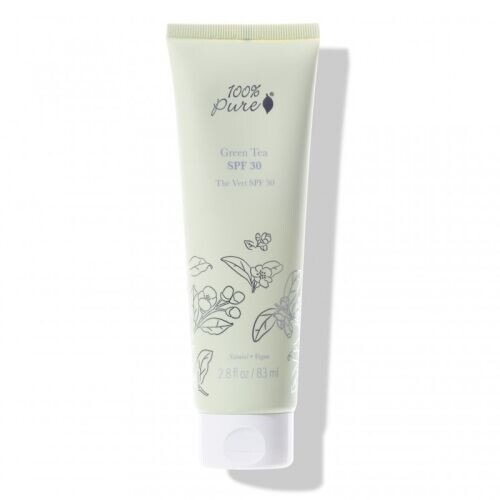
A very mild, low-pH cleanser with minimal surfactants — something you barely feel removing anything, that leaves skin comfortable immediately after rinsing. Or simply rinse with water. Apply a simple, fragrance-free antioxidant serum if tolerated (niacinamide works well here). Moisturise with a ceramide-rich, fragrance-free formula appropriate for your skin texture preference. Apply mineral SPF 30+ — zinc oxide-based formulas cause less photosensitivity and are better tolerated by rosacea and reactive skin than many chemical filters.
Evening:
Same gentle cleanse. If no active skin concerns beyond sensitivity itself, a ceramide moisturiser alone can be sufficient PM treatment. If addressing hyperpigmentation, azelaic acid is the most sensitive-skin-appropriate brightening active. If addressing texture or aging concerns, use retinoids — but start very slowly: once weekly for two to four weeks, build to twice weekly, then three times. Apply over moisturiser (the "sandwich method" — moisturiser, then retinoid, then another thin layer of moisturiser — reduces irritation significantly).
What to avoid in the product selection process for sensitive skin: "active" or "treatment" cleansers for daily use (the cleanser is not where actives need to be for most skin types). Any leave-on product containing Parfum or Fragrance. Products with extensive essential oil lists as "natural" fragrance alternatives. Products marketed with very high concentrations of acids or retinoids as starting points. Any product with alcohol denat listed in the first several ingredients.
One final note: skin sensitivity is not permanent and not fixed. With consistent barrier support — ceramides, appropriate hydration, SPF, no irritants — many people with reactive skin see significant improvement in six to twelve months. The skin barrier is dynamic and will repair when given the right conditions. The goal isn't to manage sensitivity forever; it's to create the conditions for skin to become genuinely less reactive.