Your Skin's Circadian Biology
Skin, like every other organ in the body, operates on a circadian rhythm — a roughly 24-hour biological cycle governed by the molecular clock system present in skin cells. Understanding this rhythm helps explain why applying the same products morning and night is often not optimal, and why some ingredients belong exclusively to one routine.
During the day, skin shifts into a defensive mode. Barrier function is heightened; the skin more actively resists water loss, UV damage, and environmental pollutants. Sebum production is higher in daytime, peaking in early afternoon. DNA repair mechanisms are relatively downregulated during the day because the body allocates resources to immediate defense — repairing UV damage happens later.
At night, the skin shifts into repair and regeneration mode. Cell division is elevated — skin cells divide approximately 50% faster between midnight and 4am than during daytime. DNA repair enzymes are more active. Skin loses more water overnight (transepidermal water loss is higher at night), which is why you may wake with slightly tighter skin than when you went to bed.
Growth hormone, which peaks during deep sleep, drives protein synthesis including collagen. Blood flow to the skin increases at night. Anti-inflammatory processes that counteract daytime stressors are more active.
The practical implication: morning is the time for protection — antioxidants, SPF, barrier support. Evening is the time for actives that work with the skin's regenerative state — retinoids, exfoliants, and ingredients that penetrate better in the absence of daytime barriers. This isn't just logical inference; it's supported by chronobiology research showing that some actives have measurably different efficacy depending on application time.
Building Your Morning Routine
The principle for a morning routine is preparation and protection. Everything in your AM routine should be oriented toward equipping your skin to handle the day's stressors: UV radiation, pollution, oxidative stress, and physical friction.
Step 1: Cleanse (or don't). Unless you applied a heavy overnight mask or have unusually oily skin, a gentle rinse with lukewarm water or a very mild cleanser is all the morning cleanse you need. You slept for seven hours — your skin accumulated some oil and shed some dead cells, but it hasn't encountered outdoor pollution or worn sunscreen. An active cleanser in the morning adds irritation load without meaningful benefit for most skin types.
Step 2: Antioxidants. Morning is the prime time for antioxidants because they work preventatively — they neutralise free radicals generated by UV exposure and pollution. Vitamin C (L-ascorbic acid at 10–20%, or stable derivatives) is the most evidence-backed morning antioxidant. Apply to slightly damp skin for better absorption, wait briefly, then continue. Vitamin E and ferulic acid in combination with vitamin C produce synergistic antioxidant activity — many C+E+F serums exploit this.
Step 3: Targeted serums. If you're using niacinamide for sebum regulation, peptides for collagen support, hyaluronic acid for hydration, or a brightening serum — these belong in the morning and evening both, or can be allocated strategically. Niacinamide is particularly valuable in the morning as it reduces the sebum surge that peaks midday.
Step 4: Moisturiser. Appropriate for your skin type. Oily skin may not need a separate moisturiser if SPF is sufficiently hydrating. Dry skin benefits from a ceramide-rich cream.
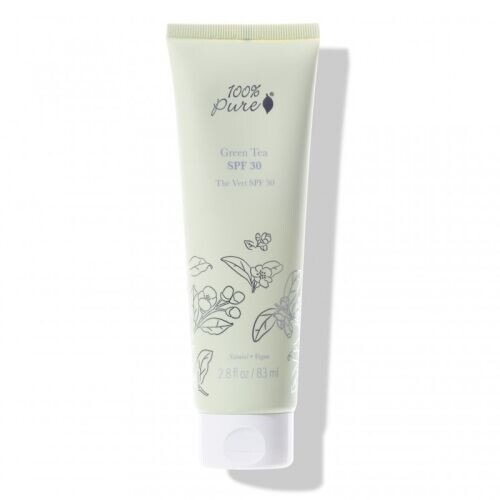
Step 5: SPF. Every morning. Every day. SPF is not optional and is not cancelled by clouds, indoor environments, or the time of year. UVA penetrates glass and causes photoaging without burning. An SPF 30+ broad-spectrum sunscreen is the single most impactful anti-aging product in your routine.
Building Your Evening Routine
The PM routine is where the real skincare work happens. With no UV exposure requiring protection, and with the skin's natural regeneration mechanisms ramping up, you can use actives that would be counterproductive or wasteful during the day.
Step 1: Remove sunscreen and makeup thoroughly. Double cleansing if you wore a waterproof sunscreen, foundation, or eye makeup. An oil-based first cleanser (micellar water, cleansing balm, cleansing oil) dissolves the waterproof film, followed by a water-based cleanser to properly clean the surface. On no-makeup, physical-sunscreen days with a water-based cleanser, a single cleanse is sufficient.
Step 2: Actives. This is the PM-exclusive category. Retinoids belong in the evening for two reasons: retinol and its derivatives are photolabile (they degrade in UV light), and they increase photosensitivity, making daytime application counterproductive. AHA exfoliants (glycolic, lactic, mandelic) also belong here — they slightly increase UV sensitivity and have no protective benefit during day exposure. BHAs (salicylic acid) can technically be used morning or evening, but most people find them easier to fit into the PM routine.
Step 3: Treatments. Any prescription treatments your dermatologist has prescribed typically belong in the PM unless specifically directed otherwise. Azelaic acid can be morning or evening; many find PM more convenient.
Step 4: Moisturiser/occlusives. Evening is the right time for heavier, more occlusive formulas that you wouldn't comfortably wear under makeup or sunscreen. Barrier-repair creams rich in ceramides and fatty acids, overnight sleeping masks (gel or cream formulas designed to be applied as the final step and left on), and even pure occlusives like petrolatum or a thin layer of squalane to reduce TEWL overnight.
Step 5: Consider slugging. "Slugging" — applying a thin layer of a bland occlusive (Vaseline, CeraVe Healing Ointment) as the final step — dramatically reduces overnight TEWL and accelerates barrier repair. Not appropriate for acne-prone skin (highly comedogenic for many), but excellent for dry, compromised, or sensitised skin undergoing active treatment.
Ingredients That Should Only Go in One Routine
Some ingredients have clear placement rules based on efficacy, stability, or safety. Getting this wrong either wastes money or increases risk.
PM-only actives:
- Retinoids (retinol, retinaldehyde, retinyl esters, tretinoin, adapalene): photolabile and photosensitising. Apply at night after cleansing.
- High-concentration AHA exfoliants (>8% leave-on): increase UV sensitivity. Can also cause temporary redness that's better hidden overnight.
- Benzoyl peroxide: can bleach fabrics and is poorly compatible with most daytime formulas. Also slightly photodegrades in sunlight.
AM-only actives:
- SPF: obvious, but worth stating — some people forget sunscreen is an AM active, not interchangeable with a night cream.
- Physical UV filters as standalone: zinc oxide and titanium dioxide have no beneficial effect in the absence of UV.
Either AM or PM, but not both:
- Niacinamide, vitamin C, hyaluronic acid, peptides, most serums: no timing restriction. Allocate based on routine compatibility and your preference.
- Azelaic acid: typically used once daily; AM or PM is equivalent in efficacy.
Avoiding conflict within routines:
- Vitamin C (low pH) and retinoids together may cause degradation and irritation — keep them in separate routines (C in AM, retinoid in PM).
- AHAs and retinoids together increase irritation significantly; use on alternating nights.
- BHA and AHA can be combined if your skin tolerates it, but most people see better results using one consistently rather than both at once.
- Niacinamide and vitamin C: an old conflict claim (that they form niacinic acid together) is largely debunked at typical cosmetic formulation timescales. They can be used in the same routine.
How to Simplify Without Losing Results
An eight-step morning routine and a ten-step evening routine sound impressive but often deliver worse results than a well-chosen four-step routine used consistently. Complexity creates barriers to consistency, increases the risk of incompatible ingredient interactions, and loads the skin with more potential irritants than most skin types can optimally process.
The minimum effective morning routine: gentle cleanse (or rinse) → antioxidant serum → moisturiser (if needed) → SPF 30+. Four steps. This covers protection, hydration, and antioxidant defense — the three things your skin genuinely needs every morning.
The minimum effective evening routine: thorough cleanse → retinoid (three nights/week, start) → moisturiser. Three to four steps. This covers treatment and barrier support.
Additives you add only when addressing specific concerns: niacinamide if you have oily or blemish-prone skin or hyperpigmentation. Hyaluronic acid serum if your skin is genuinely dry or dehydrated under your current routine. BHA toner if you have congestion or blackheads. AHA exfoliant once to twice weekly if you have texture concerns or want to accelerate brightening. Eye cream only if the skin around your eyes is visibly different from your face skin in terms of dryness or texture — it's the same skin and most face products are fine around the eye area in the orbital region.
The goal of building two distinct routines isn't to add more steps — it's to use the right tools at the right time. Sunscreen in the morning. Retinoids at night. Antioxidants before the day's stressors. Occlusives after skin has been given the resources to repair. This framework scales from two steps to twenty — the principles remain the same.