Why Most Acne Routines Fail
The most common mistake people make with acne-prone skin is aggression. Stripping cleansers, high-concentration actives applied daily, physical scrubs, and multiple exfoliating acids layered together — all in the name of "deep cleaning" and killing bacteria. The result is predictable: a damaged skin barrier, chronic inflammation, increased sensitivity, and often more breakouts, not fewer.
Acne is fundamentally an inflammatory condition, not a hygiene problem. It occurs when a combination of factors converge: excess sebum production, abnormal keratinocyte shedding that leads to follicular clogging, colonization by Cutibacterium acnes (formerly Propionibacterium acnes), and an inflammatory immune response. Treating only one of these factors — say, surface bacteria — while ignoring the others produces incomplete results at best.
A well-designed acne routine addresses multiple pathways simultaneously: it regulates sebum, prevents pore blockage, reduces bacterial load, and critically, preserves the skin barrier that protects against environmental triggers and excessive transepidermal water loss. Skin with a compromised barrier is more inflamed, more reactive, and more prone to breakouts — the exact opposite of what aggressive acne routines intend to achieve.
What makes modern dermatological approaches to acne different from consumer skincare marketing is this emphasis on barrier preservation alongside treatment. The best results come from low-irritation actives used consistently over time, not from high-strength actives used aggressively.
Cleansing: The Foundation Everything Else Depends On
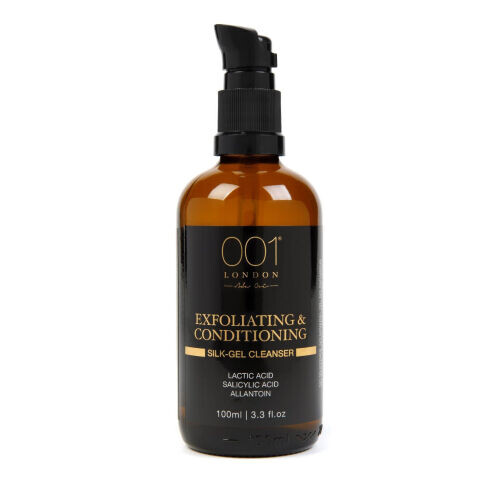
Cleansing is where most acne routines go wrong. The instinct to use the strongest, most stripping cleanser available — the logic being that "oily skin needs to be dried out" — is clinically counterproductive. Stripping the skin of its natural oils triggers compensatory sebum overproduction, worsens barrier function, and increases irritation.
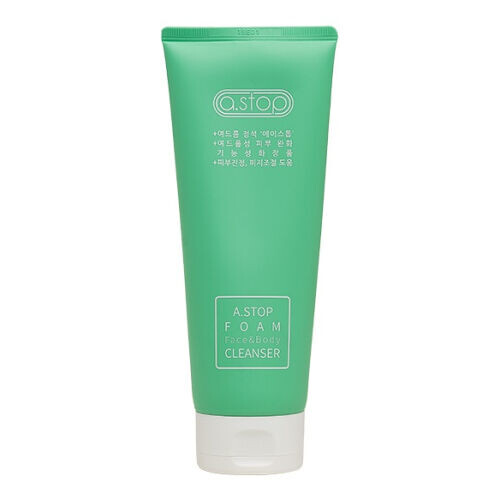
What you actually want is a low-pH, non-comedogenic cleanser that removes excess sebum, pollution, and sunscreen without disrupting the acid mantle. Gel or foam cleansers with a pH between 4.5 and 5.5 are ideal. Avoid cleansers containing sodium lauryl sulfate (SLS) as the primary surfactant — it's an excellent cleanser but too irritating for daily use. Sodium laureth sulfate (SLES), sodium cocoyl isethionate, and milder amphoteric surfactants (like cocamidopropyl betaine) are better tolerated.
If you wear sunscreen or makeup during the day — and you should — double cleansing in the evening is worthwhile. A first cleanse with a micellar water or oil cleanser (yes, oil cleansers are non-comedogenic when formulated correctly and rinsed properly) removes the waterproof sunscreen or makeup film. The second, water-based cleanse then properly cleans the skin surface.
In the morning, for most acne-prone skin types, a simple rinse with water or a very gentle cleanser is sufficient. You slept — you didn't accumulate the kind of debris that requires heavy cleansing. Using an active cleanser twice daily doubles the daily irritation load without meaningful benefit.
The Core Actives: What to Use and When
The most evidence-supported topical actives for acne are salicylic acid, benzoyl peroxide, retinoids, and niacinamide. Used strategically, these four cover virtually all pathways of acne formation.
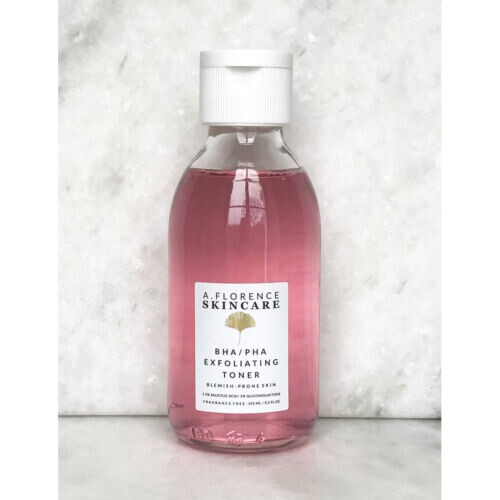
Salicylic acid (BHA) is oil-soluble, which allows it to penetrate into the sebaceous follicle rather than just working on the skin surface. It dissolves the comedonal plug, regulates sebum flow, and has anti-inflammatory properties. At 0.5–2% used two to three times weekly, it works well for blackheads, whiteheads, and mild inflammatory acne. Daily use on sensitive skin tends to over-exfoliate the barrier.
Benzoyl peroxide (BPO) is the most effective OTC antibacterial for acne. Unlike topical antibiotics, it doesn't generate antibiotic resistance — it kills C. acnes by releasing free radicals that the bacteria cannot evolve around. At 2.5–5%, it's as effective as higher concentrations with significantly less irritation and bleaching. It must be rinsed off or used as a leave-on treatment — rinsing versions are gentler and work well as spot treatments or short-contact therapy (apply, wait 5 minutes, rinse).
Retinoids are the most versatile class of acne actives. They normalise follicular keratinocyte shedding (addressing the root cause of comedone formation), reduce sebum production over time, and are anti-inflammatory. Adapalene 0.1% is OTC in most markets and is better tolerated than tretinoin for most beginners. Begin with three nights per week and increase gradually. Full efficacy typically takes 12–16 weeks.
Niacinamide (5–10%) regulates sebum production via inhibition of sebaceous lipogenesis, reduces inflammation, and improves post-acne marks. It's the easiest active to incorporate because it causes essentially no irritation and is compatible with all other actives in your routine.
Ingredients to Avoid in Acne-Prone Skin
Comedogenicity — the tendency of an ingredient to clog pores — is one of the most misunderstood concepts in skincare. The comedogenic rating scales you see online (a 0-5 scale rating each ingredient's pore-clogging potential) were developed from rabbit ear assays in the 1970s and are not reliably predictive of how a finished product will behave on human facial skin.
This means two things: first, you can't reliably use the comedogenic scale to screen individual ingredients and predict breakouts. Second, many ingredients rated "comedogenic" in this outdated system are perfectly safe in properly formulated products. Coconut oil and isopropyl myristate are genuinely problematic for most acne-prone skin, but the vast majority of oils — including argan, rosehip, and jojoba — are either neutral or beneficial.
What you should actually watch for in products: very thick, occlusive formulas that sit heavily on the surface (think cold creams, petrolatum-heavy formulas for oily skin); fragrance and essential oils, which cause allergic and irritant reactions that trigger post-inflammatory breakouts; alcohol denat as a primary solvent, which strips the barrier; and silicones in heavy concentrations, which aren't comedogenic but can trap debris if your cleansing routine isn't adequate.
Dietary considerations: the evidence is now quite solid that high-glycaemic index foods and dairy (particularly whey protein and skim milk) are associated with increased acne severity in susceptible individuals. The mechanism involves insulin-like growth factor 1 (IGF-1) upregulating sebum production and keratinocyte proliferation. This doesn't mean dairy causes acne for everyone, but if your routine is solid and breakouts persist, a dietary audit is worth exploring.
Moisturiser and Sunscreen: Non-Negotiable Basics
Two of the most frequently skipped steps in acne routines are moisturiser and sunscreen. Both are critical.
Acne-prone skin — especially skin using actives like retinoids, BHA, or BPO — loses more water than healthy skin. Without a moisturiser to compensate, the resulting dryness and barrier disruption triggers additional inflammation. The fear that moisturiser will cause breakouts is understandable but largely unfounded when using appropriate formulations. You want gel-based or water-based moisturisers with humectants (hyaluronic acid, glycerol, sodium PCA) as primary ingredients. Ceramides are excellent for supporting barrier function. Avoid the heavy emollient formulas designed for dry or mature skin.
Sunscreen is arguably the single highest-impact intervention in any skincare routine, and it's especially important for acne-prone skin. UV exposure directly induces post-inflammatory hyperpigmentation, worsening the marks left by healed breakouts. It also triggers oxidative stress that upregulates inflammatory pathways. For oily or acne-prone skin, mineral sunscreens (zinc oxide, titanium dioxide) tend to be better tolerated than chemical filters, which can occasionally be comedogenic. Hybrid formulas containing both mineral and chemical filters often achieve the best texture-to-protection balance.
Look for sunscreens labelled "non-comedogenic" and "broad spectrum SPF 30 or higher." The South Korean and Japanese cosmetic markets produce consistently excellent lightweight sunscreens that are significantly more cosmetically elegant than many Western alternatives — worth exploring if you find typical sunscreens too heavy or greasy.
When Topicals Aren't Enough: Escalation Options
For many people, a well-constructed OTC routine produces significant improvement. But acne is a medical condition, and moderate to severe cases — persistent inflammatory nodules, cystic acne, widespread involvement, or acne that's significantly impacting quality of life — warrant dermatological consultation rather than trying another serum.
Prescription topicals include tretinoin (far more potent than OTC retinol), clindamycin phosphate (antibiotic, always used in combination with BPO to prevent resistance), dapsone gel, and adapalene/BPO fixed combinations. Azelaic acid at 15–20% prescription strength is highly effective for hormonal acne and is safe during pregnancy — one of the few actives that is.
Oral options include low-dose doxycycline or minocycline (for inflammatory acne, used short-term), spironolactone (for adult female hormonal acne — an anti-androgen that reduces sebum production), and isotretinoin (Accutane/Roaccutane) for severe, scarring, or treatment-resistant acne. Isotretinoin has an undeservedly dire reputation in consumer circles; at appropriate doses with monitoring, it provides durable remission for most patients that topicals simply cannot achieve.
In-clinic procedures — blue light therapy, chemical peels, cortisone injections for acute cysts, and laser treatments for scarring — complement medical treatment for specific presentations.
The critical message: if you've had a consistent, well-formulated routine for four months and your acne is unchanged or worsening, please see a dermatologist. The combination of a barrier-supportive routine plus appropriate prescription actives typically produces results that neither alone can match.