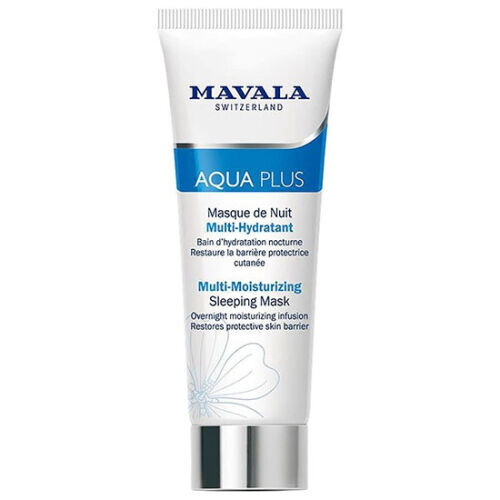
Contains Regulated Ingredients
EU Restricted Ingredients
These ingredients are permitted in the EU but subject to concentration limits, usage conditions, or mandatory labelling requirements under Annex III of the EU Cosmetics Regulation.
ChlorphenesinMax 0.3%
Max concentration:0.3%
Potassium HydroxideMax 5.0%
Max concentration:5.0%
Product types:(a) Nail cuticle solvent(b) Hair straightener(c) pH adjuster for depilatories(d) Other uses as pH adjusterCallosity softener/remover (entry 15d)
Conditions:(b)1. General use2. Professional use(c) up to pH 12.7(d) up to pH 1115 d Contains alcakali, Avoid contact with eyesKeep out of reach of chindren ans Read directions for use carefully
Label warnings: (a) Contains alkali Avoid contact with eyes Can cause blindness Keep out of reach of children(b) 1. Contains alkaliAvoid contact with eyes Can cause blindness Keep out of reach of children2. For professional use only Avoid contact with eyes Can cause blindness(c) Keep out of reach of children Avoid contact with eyes
Retinyl PalmitateMax 5.0%
Max concentration:5.0%
Product types:(a) Body lotion(b) other leave-on and rinse-off products
Conditions:From 1 November 2025 cosmetic products containing that substance and not complying with the conditions shall not be placed on the Union market. From 1 May 2027 cosmetic products containing that substance and not complying with the conditions shall not be made available on the Union market.
Label warnings: For any cosmetic product containing Retinol, Retinyl Acetate or Retinyl Palmitate the following, labelling is obligatory: ‘Contains Vitamin A. Consider your daily intake before use’.
What does "EU Restricted" mean?
Restricted ingredients are not banned — they are allowed in cosmetic products as long as specific conditions are met:
- Concentration limits — maximum allowed percentage in the final product
- Product type restrictions — some ingredients are only allowed in rinse-off or leave-on products
- pH restrictions — the finished product must stay within a specific pH range
- Mandatory labelling — certain allergens must be listed on the packaging
- Usage conditions — must not be combined with certain other ingredients
These limits are based on the EU CosIng database (Annex III) and are updated regularly. Products sold in the EU must comply with all applicable restrictions.
Ingredient Chemistry
pH Efficacy
pH Efficacy
4.8
0Neutral 714
Detected actives & ideal pH
RetinolpH 5–6
Microbiome
Composition & Ethics
Product Details
Attributes
Ethics
VeganNot compliant
Contains Soluble Collagen
Cruelty-FreeUnknown
No brand statement — contact manufacturer
Safety
Fragrance-FreeContains fragrance
Contains fragrance/parfum
Confirmed Inferred Unknown Not compliant
Composition
28 natural 2 unknown 15 synthetic
Based on 45 ingredients analyzed. 62% natural, 4% unknown and 34% synthetic.
Preservatives2 preservatives
FragranceContains added fragrance
Functions Overview (15)
skin conditioning11:Hydrogenated Polyisobutene, Xylitylglucoside, Anhydroxylitol, Hydrolyzed Hyaluronic Acid, Malva Sylvestris (Mallow) Flower Extract, Soluble Collagen, Arachidyl Propionate, Lecithin... +3 more
type of chemical entity10:Sodium Hyaluronate, Allantoin, Disodium EDTA, Ethylhexylglycerin, Glyceryl Stearate, Polysorbate 60, Retinyl Palmitate, Tocopheryl Acetate... +2 more
Texture & Feel
Texture & Feel
Expected texture
Variable — clay masks are thick and drying, sheet masks are wet and cooling, cream masks are rich and hydrating
SpreadabilityEasy
AbsorptionSlow
Tackiness / ResidueNoticeable
Finish:Variable — clay masks dry matte, hydrating masks leave dewy finish
Variable — clay tightens as it dries, hydrating masks feel cool and plumping. Slight initial tackiness that fades into a hydrated dewy finish.