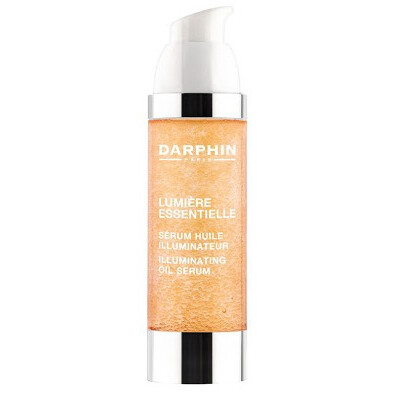
Contains Regulated Ingredients
EU Restricted Ingredients
These ingredients are permitted in the EU but subject to concentration limits, usage conditions, or mandatory labelling requirements under Annex III of the EU Cosmetics Regulation.
Rosa Damascena (Rose) Flower Oil
Product types:All cosmetic products
Conditions:The presence of the substance or substances shall be indicated as ‘Rose Flower Oil/Extract’ in the list of ingredients referred to in Article 19(1), point (g), when the concentration of the substance or substances exceeds: — 0,001 % in leave-on products — 0,01 % in rinse-off products.
Cinnamomum Zeylanicum Bark Oil
Product types:All cosmetic products
Conditions:The presence of the substance shall be indicated in the list of ingredients referred to in Article 19(1), point (g), when its concentration exceeds: — 0,001 % in leave-on products — 0,01 % in rinse-off products.
Cedrus Atlantica (Cedarwood) Bark Oil
Product types:All cosmetic products
Conditions:The presence of the substance or substances shall be indicated as ‘Cedrus Atlantica Oil/ Extract’ in the list of ingredients referred to in Article 19(1), point (g), when the concentration of the substance or substances exceeds:— 0,001 % in leave-on products— 0,01 % in rinse-off products.The peroxide value shall be less than 10 mmoles/L (This limit applies to the substance and not to the finished cosmetic product)
What does "EU Restricted" mean?
Restricted ingredients are not banned — they are allowed in cosmetic products as long as specific conditions are met:
- Concentration limits — maximum allowed percentage in the final product
- Product type restrictions — some ingredients are only allowed in rinse-off or leave-on products
- pH restrictions — the finished product must stay within a specific pH range
- Mandatory labelling — certain allergens must be listed on the packaging
- Usage conditions — must not be combined with certain other ingredients
These limits are based on the EU CosIng database (Annex III) and are updated regularly. Products sold in the EU must comply with all applicable restrictions.
Ingredient Chemistry
pH Efficacy
pH Efficacy
6.0
0Neutral 714
Detected actives & ideal pH
NiacinamidepH 5–7
Microbiome
Composition & Ethics
Product Details
Attributes
Ethics
VeganLikely
No animal-derived ingredients detected
Cruelty-FreeUnknown
No brand statement — contact manufacturer
Confirmed Inferred Unknown Not compliant
Composition
50 natural 7 unknown 14 synthetic
Based on 71 ingredients analyzed. 70% natural, 10% unknown and 20% synthetic.
UV filters1 filter
TypeMineral
Preservatives3 preservatives
Fragrance7 essential oils
Silicones1 silicone
Functions Overview (15)
skin conditioning21:Cetearyl Isononanoate, Isononyl Isononanoate, Zingiber Officinale (Ginger) Root Oil, Rosa Damascena (Rose) Flower Oil, Cedrus Atlantica (Cedarwood) Bark Oil, Santalum Album (Sandalwood) Oil, Mauritia Flexuosa Fruit Oil, Artemia Extract... +13 more
skin conditioning - emollient9:Cetearyl Isononanoate, Isononyl Isononanoate, Limnanthes Alba (Meadowfoam) Seed Oil, Rubus Idaeus (Raspberry) Seed Oil, Cholesterol, Sodium Polyacrylate, Caprylyl Glycol, Arachidyl Alcohol... +1 more
type of chemical entity8:Tocopheryl Acetate, Sodium Hyaluronate, Sucrose, Ethylhexylglycerin, Potassium Sorbate, Sodium Hydroxide, Geraniol, Benzyl Salicylate
Texture & Feel
Texture & Feel
Expected texture
Liquid, cream, or powder — ranges from watery fluid to dense cream depending on coverage
SpreadabilityVery easy
AbsorptionNormal
Tackiness / ResidueLight
Finish:Variable — matte, dewy, or natural depending on formula
Pigment-rich and blendable — designed for buildable, even coverage. Silicones create a smooth, velvety "slip" with a blurring sensory effect. Slight initial tackiness that fades into a hydrated dewy finish.