What Is Double Cleansing?
Double cleansing is a two-step cleansing method originating from Korean skincare. The first step uses an oil-based cleanser (cleansing oil or balm) to dissolve oil-based impurities: sunscreen, makeup, sebum, and pollution. The second step uses a water-based cleanser (foam, gel, or cream) to remove water-based impurities: sweat, dirt, and any remaining residue from the first step.
Step 1: Oil Cleanser
What to use: Cleansing oil, cleansing balm, or micellar water.
How it works: Oil attracts oil — the emulsifiers in the oil cleanser bind to sebum, SPF, and makeup, allowing them to be rinsed away with water.
Best for: Removing water-resistant SPF, waterproof makeup, and excess sebum.
Tip: Apply to dry skin, massage gently for 30–60 seconds, then emulsify with water before rinsing. Do not use makeup wipes — they cause micro-tears and leave residue.
Step 2: Water Cleanser
What to use: Foam, gel, cream, or powder cleanser suited to your skin type.
How it works: Gently removes remaining dirt, sweat, and any oil cleanser residue.
Best for: Thoroughly cleansing without stripping the barrier.
Tip: Use lukewarm water (hot water strips the barrier). Massage for 30–60 seconds. Pat dry with a clean towel — do not rub.
Who Needs It?
• Anyone wearing SPF daily (which should be everyone) — water-resistant SPF cannot be removed by a water-based cleanser alone.
• Makeup wearers — especially waterproof or long-wear formulas.
• Oily or acne-prone skin — excess sebum dissolves better with an oil-based first step.
• Urban dwellers — pollution and particulate matter are oil-soluble.
• Dry or sensitive skin — use a gentle, non-foaming cream cleanser as step 2.
• Morning: Only step 2 (or just water) is needed — skip the oil cleanser.
Common Mistakes
• Using a foaming cleanser for step 1 — it won't dissolve oil-based impurities.
• Using an oil cleanser without proper emulsification — leads to clogged pores.
• Over-cleansing (more than 2 minutes total) — strips the barrier.
• Using hot water — damages the barrier and causes dehydration.
• Skipping the second step — oil cleanser residue can clog pores.
• Using milky or lotion cleansers as step 1 — they don't have enough oil-dissolving power.
Best Oil Cleansers and What to Avoid
Choosing the right first-step cleanser makes all the difference.
Cleansing Oils: Traditional Asian beauty innovation. Should contain emulsifiers that allow oil and water to mix when you add water, enabling clean rinse-off. Without emulsifiers, oil cleansers leave residue that can clog pores. Best for dry and normal skin.
Cleansing Balms: Solid to semi-solid at room temperature, melt on contact with skin warmth. Excellent for removing heavy makeup and waterproof SPF. Good for dry to normal skin; can be too heavy for oily skin.
Micellar Water as Step 1: Works in a pinch but less effective at removing water-resistant SPF. Better as makeup remover before step 1 oil cleanser, or for minimal-makeup days.
What to avoid as Step 1:
• Regular foaming cleanser — water-based and won't dissolve oil-based impurities
• Makeup wipes — drag across skin causing friction, leave surfactant residue
• Coconut oil alone (without emulsifiers) — won't rinse off completely
• Heavy balms with occlusive waxes on acne-prone skin
Best options for acne-prone skin: Lightweight cleansing oils with a high linoleic:oleic ratio — sunflower, grapeseed, or hemp seed-based formulations.
Timing: Spend at least 30–60 seconds massaging step 1 cleanser on dry skin before adding water.
Choosing the Right Step 2 Cleanser for Your Skin Type
The second cleanse determines how your skin feels after cleansing. The wrong choice strips the barrier; the right one leaves skin comfortable and balanced.
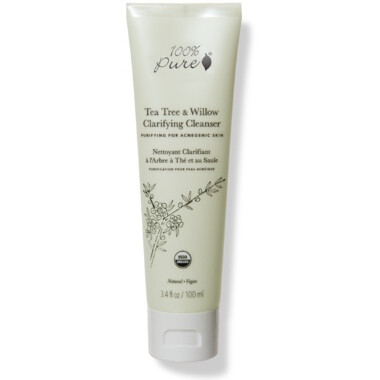
Oily / acne-prone skin: A gentle foaming cleanser with amino acid surfactants (sodium cocoyl glutamate, sodium lauroyl sarcosinate) removes sebum and residue without harsh stripping. Avoid SLS (sodium lauryl sulfate) — too aggressive. Target pH: 4.5–5.5 to preserve the acid mantle.
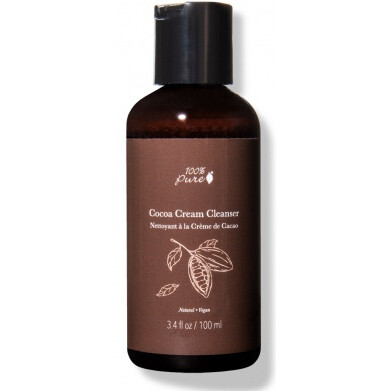
Dry / dehydrated skin: Cream or milk cleanser that leaves a slight residue feeling. Look for glycerin, panthenol, or ceramides in the formula. Avoid anything that feels 'squeaky clean' after rinsing — this indicates over-stripping.
Sensitive / rosacea skin: Non-foaming, minimal ingredient list. Cetaphil Gentle Skin Cleanser and La Roche-Posay Toleriane Hydrating Gentle Cleanser are benchmarks. No fragrance, no essential oils, no surfactants above the minimal necessary.
Combination skin: Gel cleanser — foamy enough to address the T-zone but without stripping drier cheek areas. Amino acid surfactant-based gel formulas work well here.
Morning cleansing: Many dermatologists recommend skipping cleanser entirely in the morning (just rinse with lukewarm water) for dry or sensitive skin. Night-time skincare products haven't 'dirtied' the skin — an AM cleanser is optional, not required.