4 PROHIBITED
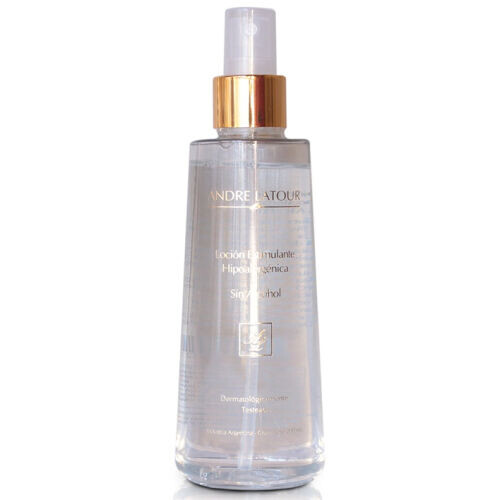
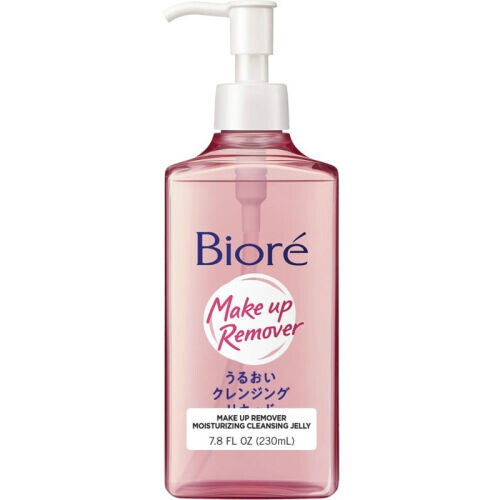
Make Up Remover
Contains Prohibited Substances
❌ 2 prohibited🔶 1 restricted
View details
❌ Prohibited (Annex II) — 2
- 2-(4-tert-butylbenzyl) propionaldehyde
- 3 and 4-(4-Hydroxy-4-methylpentyl)cyclohex-3-ene-1-carbaldehyde
Ingredient composition · 16 total
Safe (3)Restricted (1)Prohibited (4)Unknown (8)
Composition
25% natural31% synthetic
🌿 4 natural❓ 7 unknown origin🧪 5 synthetic
Based on 16 ingredients analyzed. 25% natural, 44% unknown origin and 31% synthetic.
Ingredients data:15 / 16explained
4 prohibited (EU Annex II)
1 restricted (EU Annex III)
3 need review
Ingredient Analysis
Goodies
Proven actives & beneficial ingredients
Water
Glycerin
Butylene Glycol
Base Formula
Main ingredients by concentration
Water#1
Glycerin#2
Butylene Glycol#3
Ingredients List
Showing 5 of 16 ingredients
Ingredients Explained
16 / 16Safe — well-studied, low concernNeutral / Unknown — limited dataConcern — high comedogenic/irritancy
⚠️3 of 16 ingredients missing description or function
Water#1
Solvent
The most common cosmetic ingredient. Acts as a solvent and helps dissolve other ingredients.
Glycerin#2
Humectant
A powerful humectant that attracts moisture to the skin, keeping it hydrated and soft.
Butylene Glycol#3
Humectant
A humectant and solvent that helps ingredients penetrate the skin.
PEG-12 Laurate#4
SURFACTANT - EMULSIFYING
Poly(oxy-1,2-ethanediyl), .alpha.-(1-oxododecyl)-.omega.-hydroxy- (12 mol EO average molar ratio)
Mineral Oil#5
Mineral Oil is a cosmetic ingredient used in this formulation.
No descriptionNo function
Polyglyceryl-2 Isostearate#6
SURFACTANT - EMULSIFYING
Ester of diglycerol and isostearic acid
Isononyl Isononanoate#7
ANTISTATIC, SKIN CONDITIONING, SKIN CONDITIONING - EMOLLIENT
3,5,5-Trimethylhexyl 3,5,5-trimethylhexanoate
Decyl Glucoside#8
CLEANSING, EMULSION STABILISING, SURFACTANT - CLEANSING
D-Glucoside, Decyl
Sorbeth-30 Tetraoleate#9
SURFACTANT - EMULSIFYING
Poly(oxy-1,2-ethanediyl), .alpha.-sorbitol-.omega.-hydroxy-, tetraoleate (30 mol EO average molar ratio)
PPG-9 Diglyceryl Ether#10
1,2,3-Propanetriol, dimer, propoxylated (9 mol PO average molar ratio)
No function
Fragrance#11
Fragrance
A catch-all term that can refer to dozens of different chemicals. Common cause of allergic reactions.
Alcohol#12
Solvent
Drying alcohol that can irritate sensitive skin.
Tocopherol#13
group of chemical entities
antioxidant compounds with vitamin E activity
Butylphenyl Methylpropional#14🚫 Prohibited
type of chemical entity
chemical compound
Hydroxyisohexyl 3-Cyclohexene Carboxaldehyde#15🚫 Prohibited
3-Cyclohexene-1-Carboxaldehyde, 4-(4-Hydroxy-4-Methylpentyl)-; 3-(4-Hydroxy-4-methylpentyl)cyclohex-3-enecarbaldehyde
No function
Linalool#16⚠️ Restricted
Fragrance
A naturally occurring terpene alcohol found in many flowers and spice plants. Can cause allergic reactions.