Contains Regulated Ingredients
EU Restricted Ingredients
These ingredients are permitted in the EU but subject to concentration limits, usage conditions, or mandatory labelling requirements under Annex III of the EU Cosmetics Regulation.
Cananga Odorata (Ylang Ylang) Flower Oil
Product types:All cosmetic products
Conditions:The presence of the substance or substances shall be indicated as ‘Cananga Odorata Oil/Extract’ in the list of ingredients referred to in Article 19(1), point (g), when the concentration exceeds of the substance or substances: — 0,001 % in leave-on products — 0,01 % in rinse-off products.
Lavandula Angustifolia (Lavender) Oil
Product types:All cosmetic products
Conditions:The presence of the substance or substances shall be indicated ‘Lavandula Oil/ Extract’ in the list of ingredients referred to in Article 19(1), point (g), when the concentration of the substance or substances exceeds: — 0,001 % in leave-on products — 0,01 % in rinse-off products.
Citrus Aurantium Dulcis (Orange) Peel Oil
Product types:All cosmetic products
Conditions:The presence of the substance or substances shall be indicated as ‘Citrus Aurantium Peel Oil’ in the list of ingredients referred to in Article 19(1), point (g), when the concentration of the substance or substances exceeds: — 0,001 % in leave-on products — 0,01 % in rinse-off products.
What does "EU Restricted" mean?
Restricted ingredients are not banned — they are allowed in cosmetic products as long as specific conditions are met:
- Concentration limits — maximum allowed percentage in the final product
- Product type restrictions — some ingredients are only allowed in rinse-off or leave-on products
- pH restrictions — the finished product must stay within a specific pH range
- Mandatory labelling — certain allergens must be listed on the packaging
- Usage conditions — must not be combined with certain other ingredients
These limits are based on the EU CosIng database (Annex III) and are updated regularly. Products sold in the EU must comply with all applicable restrictions.
Ingredient Chemistry
pH Efficacy
pH Efficacy
6.0
0Neutral 714
Glycolic Acid is at pH 6, which is too high for optimal efficacy (3–4).
Gluconolactone is at pH 6, which is too high for optimal efficacy (3.5–4.5).
Detected actives & ideal pH
Glycolic AcidpH 3–4
GluconolactonepH 3.5–4.5
Microbiome
Composition & Ethics
Product Details
Attributes
Ethics
VeganLikely
No animal-derived ingredients detected
Cruelty-FreeUnknown
No brand statement — contact manufacturer
Safety
Fragrance-FreeContains fragrance
Contains fragrance/parfum
Confirmed Inferred Unknown Not compliant
Composition
25 natural 10 synthetic
Based on 35 ingredients analyzed. 71% natural and 29% synthetic.
Preservatives2 preservatives
FragranceContains added fragrance
Functions Overview (15)
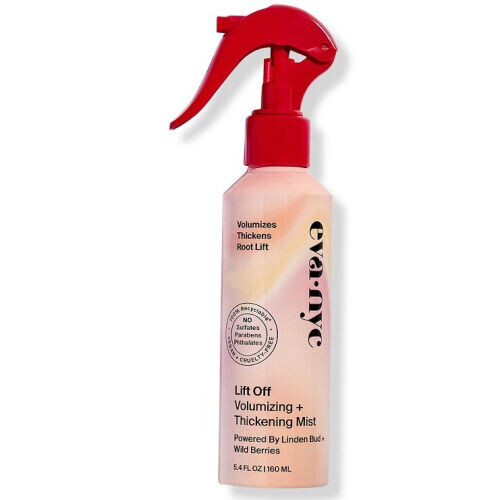
skin conditioning13:Tilia Tomentosa (Linden) Bud Extract, Tasmannia Lanceolata (Tasmanian Pepperberry) Fruit Extract, Syzygium Luehmannii (Lilly Pilly) Fruit Extract, Kunzea Pomifera (Muntrie) Fruit Extract, Pogostemon (Patchouli) Cablin Leaf Oil, Vitis Vinifera (Grape) Seed Oil, Aloe Barbadensis Leaf Juice, Hydrolyzed Rice Protein... +5 more
Texture & Feel
Texture & Feel
Expected texture
Variable — gels are stiff and hold-focused, creams are pliable, waxes are firm and moldable
SpreadabilityModerate
AbsorptionNormal
Tackiness / ResidueNoticeable
Finish:Clean, manageable hair — not a skin finish
Lather and slip — designed for even distribution through hair strands. Slight initial tackiness that fades into a hydrated dewy finish.