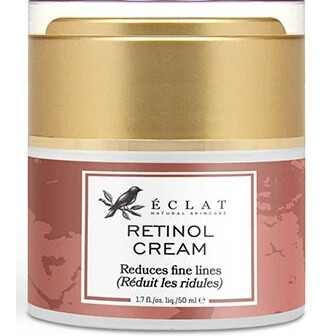
Contains Regulated Ingredients
EU Restricted Ingredients
These ingredients are permitted in the EU but subject to concentration limits, usage conditions, or mandatory labelling requirements under Annex III of the EU Cosmetics Regulation.
Polyacrylamide
Product types:(a) Body leave-on products(b) Other products
Conditions:(a) Maximum residual acrylamide content 0.1mg/kg(b) Maximum residual acrylamide content 0.5mg/kg
MethylparabenMax 0,4% (as acid) for single ester | 0,8% (as acid) for mixtures of esters
Max concentration:0,4% (as acid) for single ester | 0,8% (as acid) for mixtures of esters
PropylparabenMax - 0,14% (as acid) for the sum of the individual concentrations | - 0,8% (as acid) for mixtures of substances mentioned in entry 12 and 12a, here the sum of the individual concentrations of butyl and propylparaben and their salts does not exceed 0,14%
Max concentration:- 0,14% (as acid) for the sum of the individual concentrations | - 0,8% (as acid) for mixtures of substances mentioned in entry 12 and 12a, here the sum of the individual concentrations of butyl and propylparaben and their salts does not exceed 0,14%
Label warnings: For leave-on products designed for children under three years of age: "Do not use on the nappy area"
What does "EU Restricted" mean?
Restricted ingredients are not banned — they are allowed in cosmetic products as long as specific conditions are met:
- Concentration limits — maximum allowed percentage in the final product
- Product type restrictions — some ingredients are only allowed in rinse-off or leave-on products
- pH restrictions — the finished product must stay within a specific pH range
- Mandatory labelling — certain allergens must be listed on the packaging
- Usage conditions — must not be combined with certain other ingredients
These limits are based on the EU CosIng database (Annex III) and are updated regularly. Products sold in the EU must comply with all applicable restrictions.
Ingredient Chemistry
pH Efficacy
pH Efficacy
5.5
0Neutral 714
L-Ascorbic Acid is at pH 5.5, which is too high for optimal efficacy (2.5–3.5).
Detected actives & ideal pH
RetinolpH 5–6
L-Ascorbic AcidpH 2.5–3.5
Microbiome
Composition & Ethics
Product Details
Attributes
Ethics
VeganLikely
No animal-derived ingredients detected
Cruelty-FreeUnknown
No brand statement — contact manufacturer
Safety
Fragrance-FreeContains fragrance
Contains fragrance/parfum
Key Actives
Contains RetinolConfirmed
Contains vitamin A derivative
Confirmed Inferred Unknown Not compliant
Composition
17 natural 1 unknown 11 synthetic
Based on 29 ingredients analyzed. 59% natural, 3% unknown and 38% synthetic.
Preservatives4 preservatives
Humectants3 humectants
Functions Overview (15)
skin conditioning7:Hydrogenated Apricot Kernel Oil, Betaine, Beta-Glucan, Hydrogenated Castor Oil, Olea Europaea (Olive) Fruit Oil, Centella Asiatica Extract, Fucus Vesiculosus Extract
skin conditioning - emollient5:Paraffinum Liquidum, Hydrogenated Castor Oil, C13-14 Isoparaffin, Ethylhexyl Palmitate, Fucus Vesiculosus Extract
type of chemical entity5:Isopropyl Myristate, Sodium Hyaluronate, Triethanolamine, Retinyl Palmitate, Ascorbic Acid
Texture & Feel
Texture & Feel
Expected texture
Lightweight gel-cream — fresh, water-like feel
SpreadabilityEasy
AbsorptionNormal
Tackiness / ResidueNoticeable
Finish:Luminous / radiant — subtle light-reflecting glow
Slight initial tackiness that fades into a hydrated dewy finish.